
Potty Training Guide for Parents
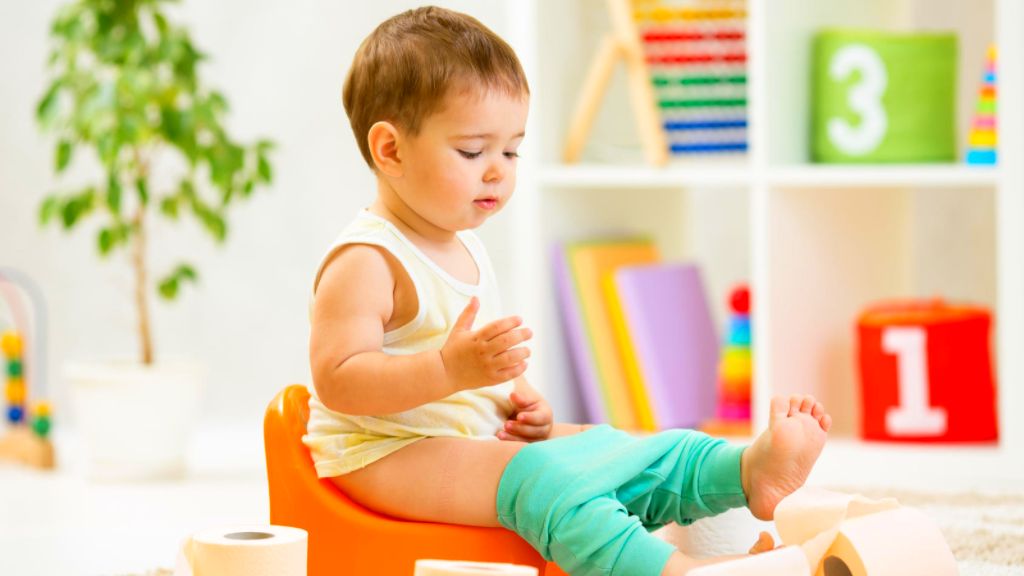

Potty Training Guide for Parents
What is potty training?
Potty training or toilet learning is a method of training a child, especially a toddler or an infant, to use the washroom for defecation and urination. Attitudes toward training in recent decades have fluctuated widely and may differ across cultures and demographics.
Agenda
- The most common Potty Training Methods
- When to Start Potty Training
- Differences Between Potty Training Boys and Girls
- Potty Time Supplies
- Tips for Potty Training
The most common Potty Training Methods
- Infant Potty Training
Infant Potty Training or elimination communication introduces your infant to the toilet at an early age, usually between birth and four months.
Some parents avoid diapers entirely by racing their infant to the closest washroom whenever they expect a poop or pee. Others use diapers on and off. By 18 months, their children have graduated; they know when they have to use the bathroom.
- Brazelton Child-Oriented Potty Training
Berry Brazelton introduced this approach in 1962 after he found an increase in potty training failures, including severe constipation and toilet refusal. He guessed that many parents were pushing children to potty train before they prepared and suggested that parents delay potty training until the kid shows signs of readiness.
- Parent-Led Potty Training
In this case, parents take the lead and make a toilet schedule when their child shows signs of readiness, taking them to the washroom every two to three hours. An alternative strategy may involve taking them before and after every meal, between activities, before sleep, and upon waking. Although the method is suitable for toddlers with multiple caregivers, some believe it prevents the child from realizing their body signs.
When to Start Potty Training
The critical point is that there is no right age to begin potty training. You know your kid best, and you may sense when the time is right. However, learning to use the potty may be more comfortable and go more quickly when your kid is at least two or older. In fact, instead of focusing on age, you might find it can be better to see the signs that your child is getting ready to start toilet training. Some important signs will be as follow:
- They can follow directions.
- They poop on a predictable schedule.
- They seem interested in the potty.
- They complain about being dirty or wet.
- They can sit down and get up from a toilet chair.
Differences Between Potty Training Boys and Girls
Learning differences between toilet training girls and boys can be helpful to know before beginning this journey.
Girls:
- interested in training before eighteen months.
- Commonly more patient during toilet training.
- Stick with one reward entirely through toilet training
- More occasional accidents after learning the primary steps of training
Boys:
- Usually not ready until age two
- Generally anxious.
- Get bored with the rewards.
- More additional accidents after they seemed to have completed training
Potty Time Supplies
If your kid is ready to train, make sure you are armed with the right toilet training supplies before you begin, including:
- Potty seat
- Underwear
- Pants
- Potty training rewards such as candy, stickers, books, and toys.
Tips for Potty Training
- Potty talk. Use words to describe going to the bathroom like poop, pee and potty.
- Telltale signs. Crossing legs, grunting, and squatting are signs that your kid needs to go to the washroom, so if you see them, encourage your kid to sit on the potty.
- Be consistent. If a kid is being trained during the week with a nanny, do not change the regimen at night or on the weekends. A disruption to the plan is likely to confuse your child.
- Be patient. Do not get upset with your kid when accidents happen, as doing so can set your child back by making training a negative experience.